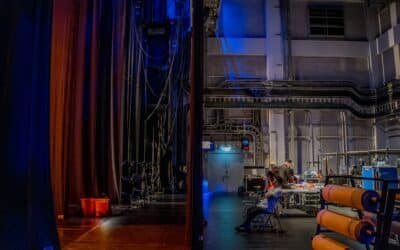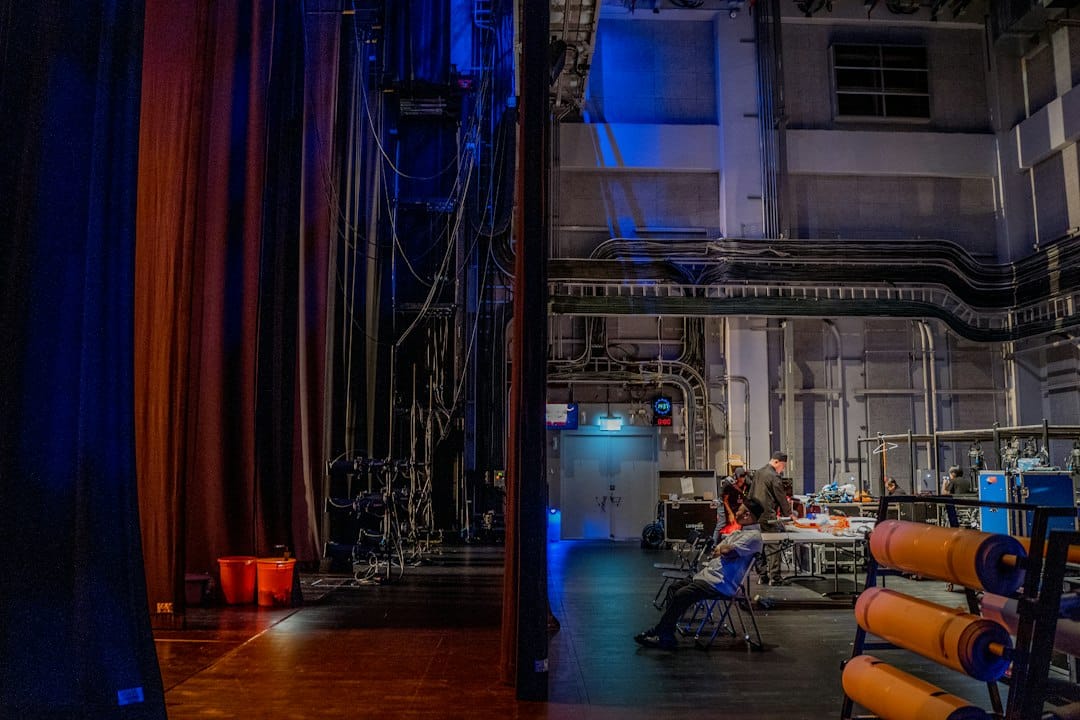
A theatre is a complex organisation from a technical standpoint too. Auditoriums, stages, sound and lighting systems, equipment, dressing rooms, workshops and service areas all require inspections, maintenance and regular checks that must fit around rehearsals, performances and daily activities.
When maintenance is managed through separate spreadsheets, emails and reminders, keeping track of priorities becomes difficult. The Opera ERP Maintenance module brings maintenance into the theatre’s management platform, connecting it with spaces, assets and day-to-day operations.
Why theatres need structured maintenance management
In the performing arts, a technical intervention cannot be planned in isolation. The availability of spaces, production schedules and the needs of teams using facilities and equipment must all be considered.
Centralising information helps prevent scheduling conflicts, missed tasks and unclear handovers between technical departments, production teams, suppliers and administration.
Keep spaces, systems and equipment clearly identified
Effective maintenance begins with an organised overview of all assets requiring attention: rooms, installations, technical equipment and other resources used by the organisation.
Linking each intervention to the relevant asset creates a useful maintenance history, showing which tasks have been completed, which are planned and which need attention.
Plan maintenance work and deadlines with greater control
An integrated platform helps coordinate scheduled maintenance and operational interventions with the theatre calendar, reducing disruption to rehearsals, setups and performances.
Information can be shared among the people involved, reducing duplicate manual updates and making progress easier to monitor.
Connect documentation to each asset
Service contracts, technical notes, documentation and due dates are more useful when directly associated with the relevant space or asset, rather than scattered across separate folders.
Opera ERP applies this approach within a platform already used to manage theatre operations, connecting organisational and technical activities.
Maintenance and theatre scheduling should work together
The key benefit of integration is the ability to plan maintenance alongside the artistic and operational schedule. If a room is booked for rehearsals or performances, maintenance must take place at a compatible time. If equipment is needed for a production, its availability should be known in advance.
Connecting assets, calendars and workflows helps reduce operational risks and gives teams a shared information base.
One system for technical departments, production and administration
Maintenance involves internal teams, external suppliers and costs that may also need administrative processing. A single platform reduces fragmentation and makes it easier to retrieve information when needed.
This is the principle behind Opera ERP solutions: bringing together processes that would otherwise be managed through disconnected applications.
Who benefits from the Maintenance module?
Structured maintenance management is particularly useful for:
- theatres with multiple venues and technical spaces;
- opera houses and complex production organisations;
- orchestras with their own equipment and facilities;
- festivals operating across several venues;
- technical departments coordinating with production and administration.
Bring technical assets into Opera ERP
Integrating maintenance into the ERP means less scattered information and a more complete overview of theatre operations. Spaces, equipment and interventions become part of the same ecosystem as productions, people and business processes.
To explore how the module could be configured for your organisation, request an Opera ERP demo.